
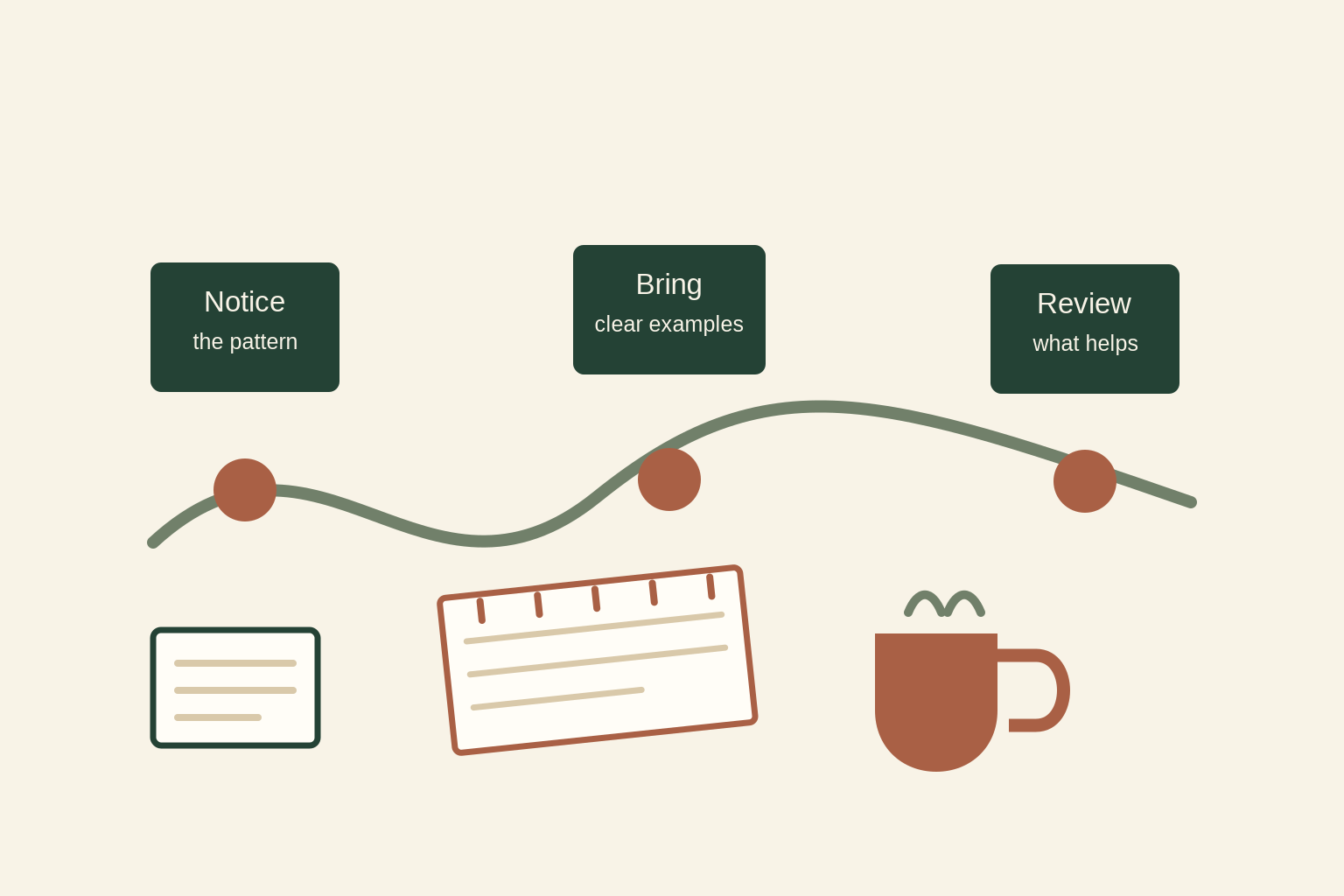
A mild cognitive impairment, or MCI, diagnosis can make time feel urgent. Families often ask how fast it will progress because they want to know what to prepare for, when to act, and how much to worry. The most honest answer is that MCI does not follow one clock. A diagnosis can start a useful conversation and follow-up plan, but it cannot tell one person’s future on its own.
This article explains what research can and cannot say about progression, which changes deserve attention, and how to make a plan that supports a person’s life now. It is not a substitute for individual medical advice. If a memory or thinking change is new, repeated, or affecting daily life, bring specific examples to a qualified healthcare professional.
There Is No Single MCI Timeline
MCI describes memory or thinking changes that are greater than expected for someone’s age but do not usually prevent them from managing most everyday activities independently. That means two people can share the same label while having very different experiences. One person may mainly struggle to remember recent conversations. Another may find planning, word-finding, attention, or visual and spatial tasks harder. Their health, daily demands, support systems, and underlying causes may be different, too.
The National Institute on Aging's overview of MCI estimates that 10% to 20% of people age 65 or older with MCI develop dementia over one year. That figure is useful for understanding why follow-up matters. It is not a personal forecast. It includes many people with different histories and does not tell a family what will happen this month, next year, or ever.
Some people remain stable for years. Some improve, especially when a contributing condition is found and addressed. Others do develop dementia. The useful response is not to wait for a predicted date. It is to understand the current pattern, keep appropriate follow-up, and make daily support easier before frustration starts to shape every interaction.
It also helps to separate MCI from the staged descriptions people may read about Alzheimer's disease. Lovejoy's explanation of what people mean by MCI stages explains why MCI is not usually a numbered ladder. A stage chart may create an illusion of certainty when the person in front of you needs attention to their actual strengths, challenges, and choices.
What Can Influence the Picture Over Time
A diagnosis is only one part of the picture. A clinician may consider the type of cognitive changes, when they began, how they have changed, health history, medication effects, mood, sleep, hearing, vision, alcohol use, pain, recent illness, and the person's usual level of function. That is why a thoughtful evaluation is broader than a quick memory screen. Lovejoy's guide to what an MCI evaluation can include explains the difference between a brief screen and a fuller clinical review.
It is important not to turn that list into a scavenger hunt for a cause. Families do not need to solve the diagnosis at home. What they can do is notice useful context. Did the difficult day follow poor sleep, a medication change, pain, grief, a busy environment, hearing trouble, or an infection? Did the person manage the same task successfully at another time? Those details help a clinician see a pattern without reducing someone to their hardest moment.
The nature of the change matters as well. A person who is occasionally slower to recall a name may need a different conversation from someone who repeatedly becomes lost in a familiar place, misses medication doses, or cannot follow a once-familiar task. Lovejoy's article on MCI and normal aging offers a fuller look at the difference between ordinary lapses and a repeated change that is worth discussing.
Look for Patterns, Not Isolated Mistakes
Everyone has distracted days. An isolated forgotten appointment, misplaced wallet, or moment of word-finding difficulty does not prove a decline. Worry often turns a normal mistake into evidence, especially after a diagnosis. A better question is whether the change is new, repeated, meaningful, and different from the person's own usual way of managing life.
Keep observations concrete. Instead of writing “memory is worse,” note what happened: “Missed the Tuesday appointment despite the usual calendar reminder,” or “Needed help with a recipe they have made for years after a night of poor sleep.” Include the setting, what made the event stand out, what happened next, and whether the person had an explanation. Also record what still worked. A complete picture includes successful routines, preferences, and strategies that already help.
- Notice frequency. One event may be noise. A similar problem appearing several times is worth bringing to a healthcare visit.
- Notice function. Focus on whether a familiar activity has become harder to complete, not only whether a person forgot a detail.
- Notice context. Sleep, illness, pain, stress, medication changes, and noisy environments can affect attention and memory.
- Notice safety. Medication errors, falls, getting lost, financial confusion, or driving concerns need a clearer plan.
- Notice the person's view. They may describe a barrier, a worry, or a solution that no one else has seen.
This approach creates information without making home life feel like surveillance. It also protects dignity. A care partner can be observant without correcting every small error, asking surprise questions, or quietly taking over decisions. If support is needed, it works better when it is offered as collaboration.
Daily Function Often Tells You More Than a Score
A number from a screening tool may be one part of a clinical evaluation, but it is not the whole story. Daily function shows how thinking changes meet real life. Can the person still follow their preferred routine, make choices, manage familiar responsibilities, stay connected to people they care about, and recover when something goes wrong? What is newly difficult, and what remains completely reliable?
Independence is not all or nothing. Using a shared calendar, asking a spouse to review a complicated bill, or simplifying a multi-step errand does not automatically mean a person has lost independence. Often, it is an ordinary and sensible adjustment. The key is whether support helps the person remain involved, or whether the family has begun making every decision for them because everyone is scared.
When a task creates repeated strain, name the task before naming the diagnosis. “The pharmacy pickup was missed twice this month. What part of it felt hard?” is more useful than “You are getting worse.” That kind of question invites the person into the solution and provides a clearer example for a clinician. The guide to MCI and dementia explains why meaningful interference with everyday independence is an important clinical distinction.
Make Follow-Up a Plan, Not a Vague Reminder
Follow-up gives a clinician a chance to compare changes over time and revisit the factors that may be contributing. The National Institute on Aging notes that a doctor or specialist may monitor memory and thinking every six to 12 months. The right interval depends on the person's history and current concerns, so it is worth leaving each visit with a clear answer: When should we check in again, and which changes should prompt a call sooner?
Bring a short record rather than trying to remember every detail in the appointment. Include recent examples, a current medication and supplement list, changes in sleep or mood, illnesses, falls, sensory changes, and the person's own concerns. A useful visit is not a test the family has to pass. It is a conversation that helps the healthcare team understand what is changing and what support could be appropriate.
Lovejoy's guide to how MCI is diagnosed can help families prepare for that conversation. Ask whether a medication review, hearing or vision review, referral, additional testing, or another kind of support would be useful. If a recommendation is made, ask what it is meant to clarify and what the next step will be once the result is available.

What a Useful Follow-Up Conversation Sounds Like
Families sometimes leave an appointment with the instruction to “keep an eye on it,” then feel unsure what that means. A more useful follow-up plan has a few plain elements: what to notice, what to try at home, when to call, and when to return. It gives everyone a next step without pretending that the future has already been decided.
Before the visit, choose two or three examples that best show the concern. A short story is often more helpful than a long list. For example: “He has missed two volunteer shifts this month after always managing the calendar,” or “She became turned around on a route she has driven weekly for years.” Then add the context. Was sleep poor? Was there a new medication? Did the person recognise the problem and find a workaround? Did the same task go smoothly the next week?
During the visit, ask the person with MCI what they want the clinician to know. They may have noticed a change in confidence, fatigue, sensory ability, or concentration that a family member has not seen. Their account belongs in the record. If they want someone else in the room, agree beforehand on how that person can add observations without speaking over them.
At the end, write down the follow-up plan in the same words the family will use at home. “Call if medication mistakes happen again,” is clearer than “monitor safety.” “Bring the calendar record to the visit in six months,” is clearer than “follow up later.” A defined plan can make it easier to act without spending every day scanning for signs of decline.
Separate Change From a Crisis of Confidence
One difficult moment can change how a family sees a person. A missed bill, a confusing conversation, or a wrong turn can make everyone question abilities that are still intact. That reaction is understandable, but it can lead to a second loss: the person starts to step back from choices, routines, or activities because others no longer trust them to participate.
Pause before widening the response. Ask what happened in that one situation, what was different from usual, and what might make the next attempt easier. A person may need a more visible reminder, a quieter time for a complicated task, or a second set of eyes for an unusually demanding form. Those are targeted supports, not evidence that every part of life needs to be handed over.
It is also useful to separate unfamiliar tasks from familiar ones. New digital systems, complicated insurance paperwork, travel, and household disruption can challenge anyone. If a task is unfamiliar, evaluate it on its own terms. A person who needs help navigating a new app may still be managing longstanding responsibilities well. This distinction helps families bring fairer, more useful examples to clinical conversations.
When a concern does involve a familiar activity, protect the person's role in solving it. Instead of quietly removing access to the calendar, bills, car keys, or kitchen, begin with a conversation about the specific difficulty and the safest next step. There may be times when a safety decision needs to be made quickly, but even then, clear explanation and respectful involvement matter.
A regular check-in can stop a concern from leaking into every conversation. Choose a calm time once a week to ask what went well, what felt harder, and whether the current support still fits. This gives both people permission to set the worry down at other times and helps the family notice progress as well as problems. If something is not working, change the plan rather than treating the person as the problem. A small adjustment that is genuinely used is more valuable than an elaborate system everyone avoids.
Choose Supports That Preserve Participation
Helpful supports are usually visible, simple, and chosen with the person who will use them. The goal is to reduce unnecessary effort, not to create a new system that takes more energy than the original task. Start with a single routine that has become frustrating, such as leaving the house, remembering an appointment, preparing a meal, or managing medication questions.
For a departure routine, one consistent place for keys, wallet, glasses, and a written leaving-the-house list may be enough. For appointments, a shared calendar in one location may work better than multiple scattered reminders. For a multi-step task, a short sequence on paper can be easier to follow than a verbal explanation delivered when everyone is already stressed. Try one adjustment for a couple of weeks, then ask whether it made the day easier.
Give equal attention to the supports that preserve identity and enjoyment. A person may continue volunteering with a written task list, cook a favorite dish with ingredients set out in order, attend a class with a trusted companion, or take a walk on a familiar route. Keeping meaningful activities in the week is part of support, not an optional extra after risk has been managed.
If a tool feels infantilising, intrusive, or constantly ignored, it is not the right tool yet. Change the support, the location, or the timing. Respectful systems make room for preference. They should help a person do more of what matters, not make them feel like every part of their life has become a test.
Know Which Changes Need Faster Attention
A gradual concern and a sudden change are not the same. Sudden confusion, new trouble speaking, face drooping, weakness or numbness on one side, severe sudden headache, fainting, major vision changes, or a rapid change in alertness need urgent medical attention. The Centers for Disease Control and Prevention's stroke warning signs explain why these symptoms should not wait for a routine appointment.
For non-emergency changes, call the healthcare office sooner than the next scheduled review when a new problem repeatedly affects medication, finances, cooking, driving, getting oriented, hygiene, work, or a familiar responsibility. Explain what happened and when. The office can help decide whether a sooner appointment or another kind of assessment makes sense.
Driving deserves a particular conversation because it can involve both independence and public safety. Do not use one minor lapse to announce a final decision. Name specific concerns, invite the person's perspective, and ask the healthcare team what evaluation or planning is appropriate. Lovejoy's guide to MCI and driving offers a respectful place to start.
Build Small Supports Before a Crisis
Families do not need to wait for certainty to make daily life easier. A support is not a prediction about the future. It is a practical way to lower friction today. Choose one recurring trouble spot, ask what would help, try one change, and review whether it actually makes the day feel calmer.
A shared paper calendar in a visible place may work better than several phone alerts. A single key tray by the door can eliminate a daily search. A written sequence for a multi-step errand can preserve confidence. A quieter time of day may make a financial conversation or appointment easier to manage. The best support is usually the smallest one that helps without taking over.
Lovejoy's memory aids for MCI includes practical options that can be adapted to a person's home and preferences. The free Daily Friction Checklist can also help a family identify one task that is becoming tiring or confusing and discuss a respectful support to try together.

Keep the Relationship Larger Than the Worry
Questions about progression can make a partner or adult child feel they need to be constantly alert. The person with MCI may then feel monitored, corrected, or quietly excluded. Neither response creates the trust that a family needs for an honest conversation.
Choose language that leaves room for the person's point of view. “Would you like a second set of eyes on that?” or “Can we look at the plan together?” is different from “You cannot do this anymore.” Make time for ordinary life as well: favorite routines, social contact, movement, rest, hobbies, work, and familiar roles. A concern about cognition should not shrink someone's world more than necessary.
When a spouse is involved, it can help to agree on a gentle way to raise a concern and a time to discuss it, rather than correcting each other in the moment. Lovejoy's article on living with a spouse with MCI offers practical ways to share daily life without taking over. The goal is not perfect memory. It is continued participation, safety, and connection.
How Lovejoy Can Help With the Day You Have Now
Lovejoy's Cognitive Continuity work is designed for the practical questions that often sit beside a diagnosis: Which part of the day is getting harder? What still works? What is one support that respects the person's preferences? The focus is not on predicting a timeline or replacing clinical care. It is on helping families reduce unnecessary friction while they follow the right medical guidance.
Explore Cognitive Continuity for a broader approach to supportive daily systems, or use the Cognitive Continuity Map to think through the routines, environments, and roles that help someone stay connected to their own life.
A More Useful Question Than “How Fast?”
It is understandable to want a date, a stage, or a clear answer about what comes next. MCI rarely offers that kind of certainty. A more useful question is: What is changing now, what still matters to this person, and what would make the next step clearer? A specific observation, an appropriate follow-up plan, and one respectful daily support can bring more calm than a forecast.
Keep the record small. Keep the conversation collaborative. Ask for medical guidance when the pattern changes. And keep making room for the person's choices, strengths, and ordinary life along the way.
A Practical Next Step
Notice where the day begins to feel harder.
Use a simple checklist to identify one source of daily friction, then choose one respectful support to try together.
Frequently Asked Questions
How fast does mild cognitive impairment progress?
There is no single timeline. Some people stay stable for years, some improve, and some develop dementia. The National Institute on Aging estimates that 10% to 20% of people age 65 or older with MCI develop dementia over one year, but that population estimate cannot predict one person’s future.
Does mild cognitive impairment always become dementia?
No. MCI raises the chance of later dementia for some people, but it does not make dementia inevitable. Health conditions, the type of cognitive change, daily function, and the findings of a full evaluation all matter. A clinician is the right person to interpret that information for an individual.
How often should someone with MCI be reviewed?
The right follow-up schedule is individual. The National Institute on Aging notes that a doctor or specialist may monitor memory and thinking every six to 12 months. Ask the healthcare team when they want to hear about a change sooner, especially when it affects safety or a familiar daily activity.
What changes should a family write down?
Write down concrete changes from the person’s usual pattern, such as repeated missed appointments, new difficulty with a familiar task, medication mistakes, getting lost, or a marked change in mood or judgment. Include the setting, what still worked, and the person’s own explanation. That is more useful than trying to assign a stage at home.
Related Posts

Plain-Language Guide
Mild Cognitive Impairment Stages: What the Term Can Mean
Why MCI is not usually divided into stages, what clinicians watch over time, and how families can respond without assuming the future.
Read the guide →
Practical Guide
How Is Mild Cognitive Impairment Diagnosed?
What a mild cognitive impairment evaluation may include, how to prepare, and how to stay focused on daily life while questions are answered.
Read the guide →